

UPDATE: March 26. The news is out. This book has very long legs. Gwyneth Paltrow will pay Belle Burden in the upcoming movie of Strangers.
The last few hundred news cycles remind me of the one-liner about men: it’s the 99 percent who give the other one percent a bad name.
Between the Epstein files, the truth about Cesar Chavez, the daily insults to women reporters on Air Force One, and the GOP’s hostility to women voters, you get the distinct impression that men want us to go away and STFU.

I thought a theatre outing--the new Wallace Shawn play, What We Did Before our Moth Days--would be a respite from the newsworthy flaws of so many men. Not quite. The story unfolding onstage is based on the double life Shawn’s hyper-respectable father, legendary New Yorker editor William Shawn, led for decades—his second family with New Yorker staff writer Lillian Ross, which the playwright son only discovered when he was 35 years old. The elder Mr. Shawn was guilty not only of adultery, if that’s what you call a full-fledged other family that he saw every night, but of sleeping with an underling.
Some days after the play, as I recovered from orthopedic surgery and did not feel up to reading Thomas Pynchon’s new novel, I gave into a voyeuristic urge to read the much-publicized memoir, Strangers, by New York socialite Belle Burden. Her mother, Amanda Burden, was an urban planner, the partner of Charlie Rose for 15 years, and the daughter of Babe Paley and Stanley Mortimer, an heir to the Standard Oil fortune. As nearly everyone now knows, including the hundreds of people on the book’s Reddit discussions pages, the memoir is about the sudden departure of Belle’s financier husband of twenty years, days into the COVID lockdown.
I don’t read a lot of memoirs and thought this would be a quick recuperation read as I looked through the keyhole into a New York society world I don’t inhabit but, having grown up on the outer edges of the Upper East Side, I know something about. I approached the book as another story in the vein of Wallace Shawn’s—a prominent, privileged family enduring varieties of crisis behind the scenes.
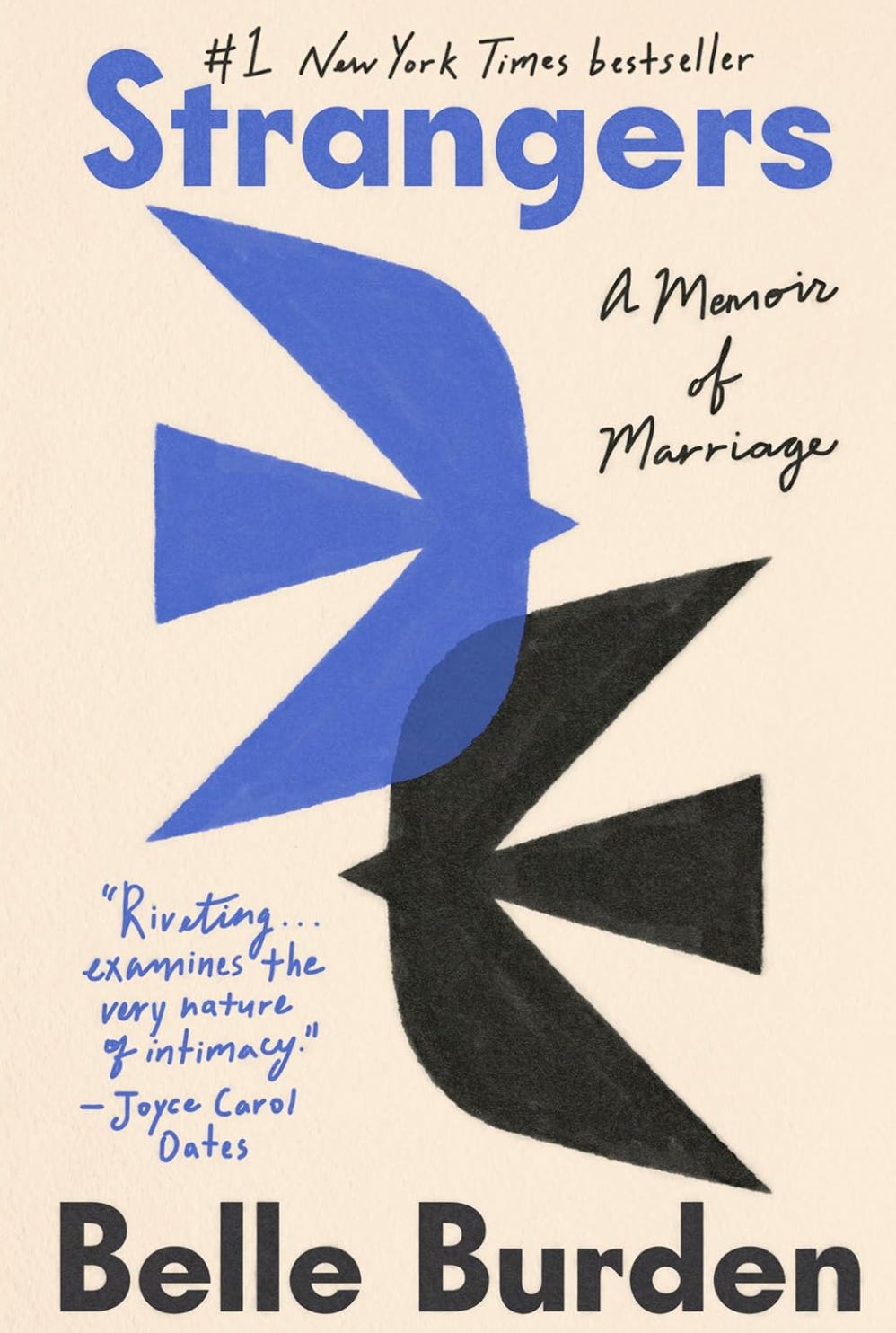
Burden, who met her husband when they worked at a corporate law firm, pulls us in easily into the stable life that unravels days after they flee Manhattan with two of their three children for their house on Martha’s Vineyard, thinking it’s safer and more comfortable for this brief period. The descriptions of the setting and her memories of James’ years of loving attention to the natural world in their midst and the routines of their lives are detailed and endearing. A great guy—all you could ask for in a partner. But six days in, after hubby cooks them a delicious roast chicken on the grill, Belle gets a message from a man saying that his wife is having an affair with her husband. Minutes later, James avers that he loves Belle, and the affair was meaningless. “I’m so sorry, I’m so embarrassed.” But at six the next morning, his bag packed, he’s reading from a different script: “I’ve decided I want a divorce. I’m leaving.” She can have the Vineyard house, the Manhattan apartment—and the children.
She is every shade of blindsided, never having heard a peep about his discontent. As he announces his departure, he offers no further explanation. He’s gone, as though the place is on fire. A dramatic enough exit in ordinary times, but with an extra torque of cruelty as she’s on a remote island nearly empty in winter, far from family and friends, and there’s this pandemic killing people all over the world. All she can do, with the help of phone calls with loved ones, is try to hold herself together from moment to moment and keep the news from her 12- and 15-year-old daughters.
The confines of the pandemic eventually ended many partnerships, but nine out of ten shrinks agree that it takes a special kind of schmuck to have left this way on Day Six, even if you’re leaving your family in a swell house on the Vineyard.

The pain of abandonment is universal, and so is the challenge of repairing a shattered life. The very rich are shielded from homelessness and empty checking accounts, but not from shock or devastation. If the remainder of Burden’s book were only about how this well-meaning woman—who describes herself at the time as shy, compliant, and lacking confidence—works to put her life back together, it would be a moving, even inspiring tale. But when James returns a month later—for 90 minutes!--to fill his duffel bag with belongings, tell the children the marriage is over, and search for the couple’s prenup, Burden introduces a plot twist that will thread darkly through the story and turn it into something beyond a moving story of loss and renewal. It becomes positively Henry Jamesian, with Belle as Portrait of a Lady’s Isabel Archer and James as Gilbert Osmond.

James’ lawyer eventually finds a copy of the prenup, but until he does, Burden hopes that it won’t turn up—because she now knows exactly how damaging it is to her. And as she traces its history, it appears to be the red flag that she’s looking for, to indicate trouble ahead—though she doesn’t exactly call it that.
“The prenup would entitle James to an equal share of everything we had put in joint name, including the house and the apartment [that Belle paid for]. It would allow him to keep everything he earned during the marriage and kept in his own name, a number I did not yet know. This was the change we had made to the prenup in the days before we got married, the change James had requested. When I found James searching the basement, I knew he wouldn’t find the prenup. I had already opened every box, both the ones on the shelves and a bigger set in the crawl space—boxes marked with James’s initials, sealed shut with packing tape. I used a box cutter to open each one and pulled out piles of papers, going through every page as I sat cross-legged on the cold concrete floor, the space lit by a single hanging lightbulb. I placed the papers back in their folders, back in the boxes, carefully, neatly, and resealed them with tape so he wouldn’t know I’d opened them. After six hours, I came out of the basement covered in dirt, dust, and sweat. I didn’t find it. If I had, I would have burned it.”
Burden’s mother made her children sign a contract that they would enter into prenups with whomever they married, to preserve the family’s wealth. During her whirlwind courtship, Belle is reluctant to follow through, but the family lawyer insists. James wants a proviso that is entirely advantageous to him. The lawyer objects—and Belle overrides the lawyer’s objection, believing James’ reason and not willing to threaten the marriage that’s days away. She never consults her family, certain that James is her new family. When they buy two pricey pieces of real estate, Belle pays for both with funds but puts the deeds in both their names. And while James becomes more and more successful, moving from law to hedge funds, while Burden leaves the job market to raise three children, she never looks at the tax returns he gives her to sign. There is no hint that he bullies or manipulates her in these transactions—except for the prenup—but she is a naïve and trusting partner. He doesn’t need to.

I will not spoil the outcome of this story but will leap ahead to the effects it’s had far beyond the gossipy Reddit pages. An Amazon review I came across was the beginning: “A friend recently met with her banker and financial planner at J.P. Morgan, and one of the first things he asked her was, ‘Did you read that book?’ He told her he’s been hearing from so many women and wives interested in knowing more about their finances because of Strangers. That says everything. So thank you, Belle, for writing this book and for the meaningful, lasting impact it’s having on women everywhere.”
When I posted a short piece about the book on my Facebook page, one of the first comments was from a woman friend who is a financial advisor: “I’m going to read this and talk to my women clients about this! Thanks for the inspiration.” Yet another comment: “I’ve heard that one private girls’ school in Manhattan is instituting a class on finances because of it.” And according to a recent New Yorker article, even millennials of modest means are getting into prenups in a big way.
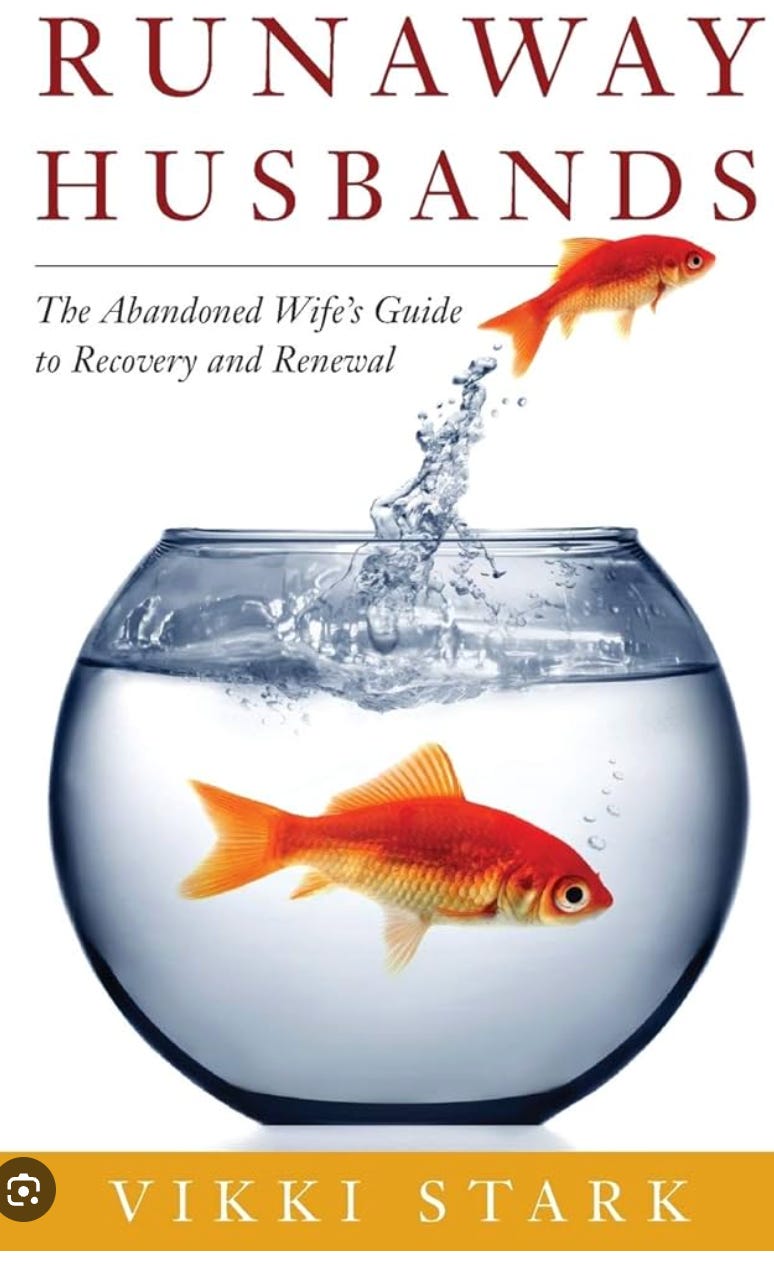
In a realm beyond money, I found a Psychology Today article by therapist Vikki Stark, “What Happened to Belle Burden in ‘Strangers’ Has a Name.” Wife Abandonment Syndrome—and the therapist made a study of it after it happened to her. Four hundred women responded to her questionnaire that became research for a book, and many called her once Burden’s book came out.
It would be easy to write off the ripple effect of Strangers as primarily affecting rich women. Clearly that’s the most relevant audience, but women of much more modest means are often shut out of a family’s finances, especially if they leave the workplace to raise children. How many sign tax returns without reading them because they’re too complicated or because “my husband always takes care of that”? If these scenarios sound like Father Knows Best reruns to those of us in more equitable relationships, we might be naïve ourselves. And there’s this on the horizon: the right wing, including its high-earning female stars, talk openly about the need for fewer women in the workplace so they can stay home and raise more babies.
My husband and I don’t have a prenup, and I oversee the taxes because my own are more complicated than his. My financial life will not change as a result of reading this memoir, but I hope it continues to make a huge splash and get lots of people wet—so that they pay more attention to what’s in their bank and retirement accounts, who’s in the bed beside them, and how to protect what they have.
This book is on my list (Libby, hurry up!) and I'm excited to come back to this post once I've finished!
Thank you for this, Elizabeth. So important for women to read this, and the book.